

Canada Immigration News 2026: Manitoba’s push to secure more immigration spots and extend work permits for temporary residents has been rejected again by the federal government, highlighting ongoing tensions over immigration levels across Canada.
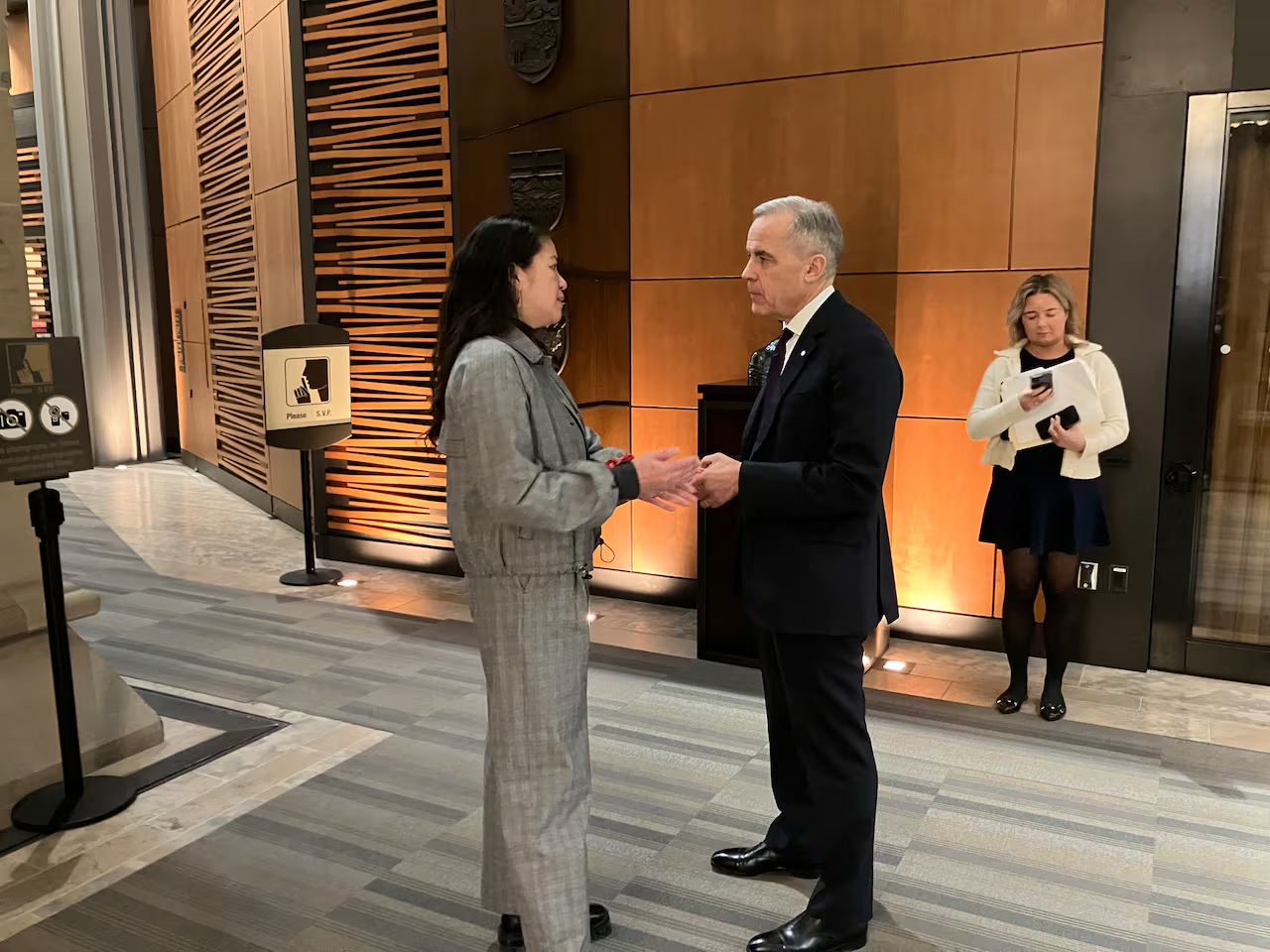
Malaya Marcelino, Manitoba’s Minister of Labour and Immigration, recently traveled to Ottawa alongside business leaders to advocate for work permit extensions and an increase in the Provincial Nominee Program (PNP) allocation. However, discussions with federal officials ended without approval.
According to Marcelino, repeated requests to the federal government led by Mark Carney were firmly declined.
“Our requests were met with steady noes,” she said, emphasizing that Manitoba will continue pushing for changes.
Canada Work Permit Extension 2026 in Focus

The issue centers around thousands of temporary foreign workers and international graduates whose post-graduate work permits (PGWP) are set to expire in 2026.
After a temporary extension was granted in 2024, the federal government has now confirmed there are no plans for further extensions, raising concerns about workforce shortages.
Estimates suggest around 6,000 workers in Manitoba could be affected if permits expire without renewal—posing a major risk to industries already facing labour shortages.
PNP Cuts Impact Manitoba Economy
Manitoba has been particularly affected by recent Canada immigration cuts. The province’s PNP allocation dropped sharply:
- 2023: ~9,600 nominations
- 2025: Reduced to 4,750
- Later adjusted to 6,239 spots after a 30% increase
Despite this partial recovery, provincial officials argue the numbers remain insufficient to meet economic needs.
Labour Shortage in Canada Driving Immigration Debate
Business leaders, including representatives from the Manitoba Business Council, presented economic data showing the importance of immigration:
- 1,050 PNP workers = $150 million contribution to GDP
- Thousands more workers support key industries like manufacturing and food processing
They warned that losing foreign workers due to expiring permits could significantly impact Canada’s economic growth and labour market stability.
Federal Government’s Immigration Strategy
Immigration, Refugees and Citizenship Canada stated it will continue focusing on:
- Transitioning temporary residents to permanent residency
- Managing overall immigration levels amid housing and infrastructure pressures
However, provinces like Manitoba argue that federal immigration policy is not aligned with regional labour demands.
Growing Uncertainty for Temporary Residents
The situation has sparked protests in Manitoba, with many workers calling for urgent work permit extensions to avoid being forced to leave Canada.
Marcelino acknowledged the uncertainty:
“This is a very difficult time for many people whose immigration status is precarious.”
What This Means for Canada Immigration Applicants
- Temporary foreign workers: Risk of losing status in 2026
- International students: Limited PGWP extension opportunities
- PNP applicants: Reduced nomination chances in some provinces
- Employers: Increasing labour shortages
Outlook: Will Canada Increase Immigration Again?
Despite the setback, Manitoba officials remain optimistic that continued advocacy and economic data could influence future federal decisions.
As Canada balances immigration levels, economic growth, and housing pressures, the debate over PNP quotas and work permit extensions is expected to remain a major topic in Canada immigration news 2026.